Monday, January 02, 2006

Aaradhana

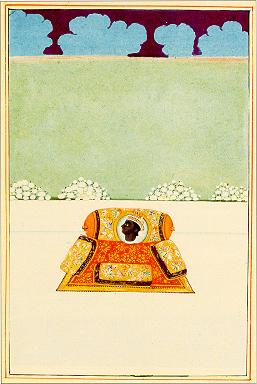
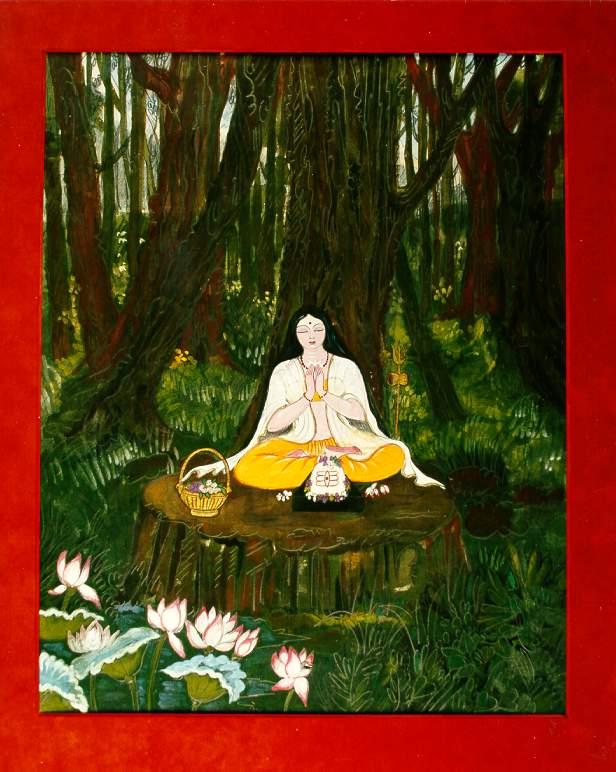
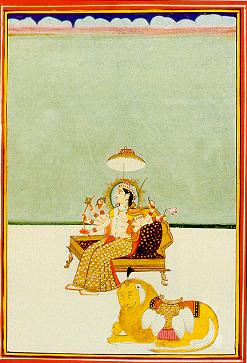
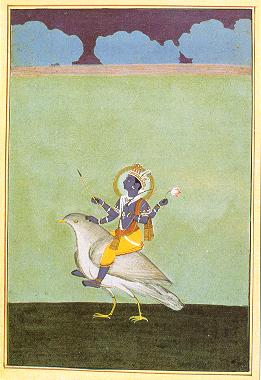
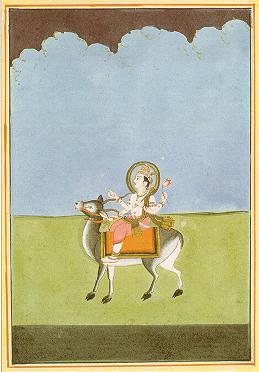
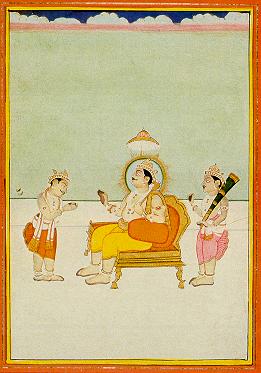
Lord Shiva is the God of all and is worshipped by all, from devas such as Brahma, Indra, by asuras like Bana, Ravana, by humans like Adi Shankara, Nayanars, by creatures such as Jayatu, an eagle, Vali, a monkey, and the list goes on and on. Furthermore, the site states that a variety of people of different backgrounds and qualities worship the Lord shiva, with many temples having histories of even cranes, bees, elephants, (see Kalahasti), spiders, snakes, worshipping the Lord and getting blessed and concludes by stating that the Lord as the Supreme blesses anyone who worships in sincere devotion as there is no discrimination on who the seeker is. Major deities, rishis, planets, worshipped Shiva and also established Shivalingas in various places in India.


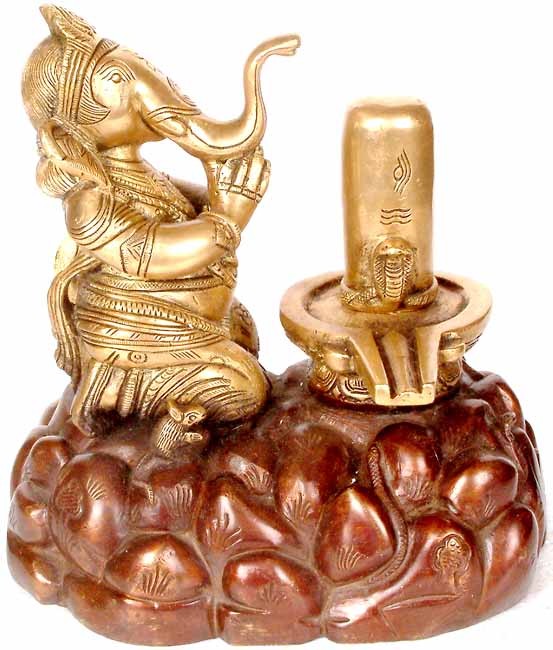
Lord Ganesh at Pillayar patti (100kms from Madurai, India)


The four Vedas worshipped Shiva at Thirumaraikaadu (i.e., Vedaaranyam near Tanjore)


Lord Skanda at Thiruchendur (200 km from Madurai, India)


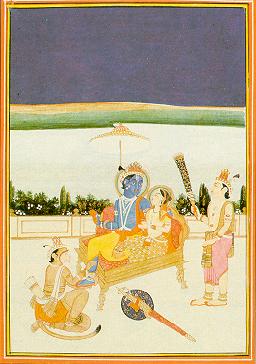
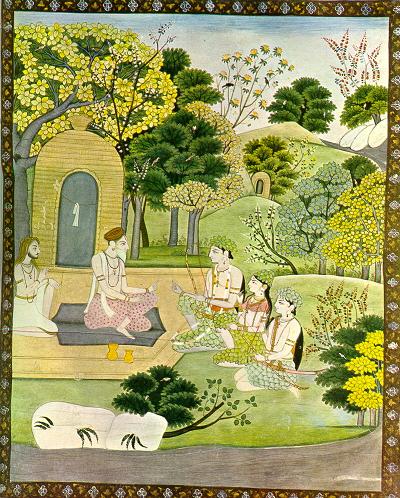
Lord Rama (avatar of Vishnu) in Rameswaram (India)


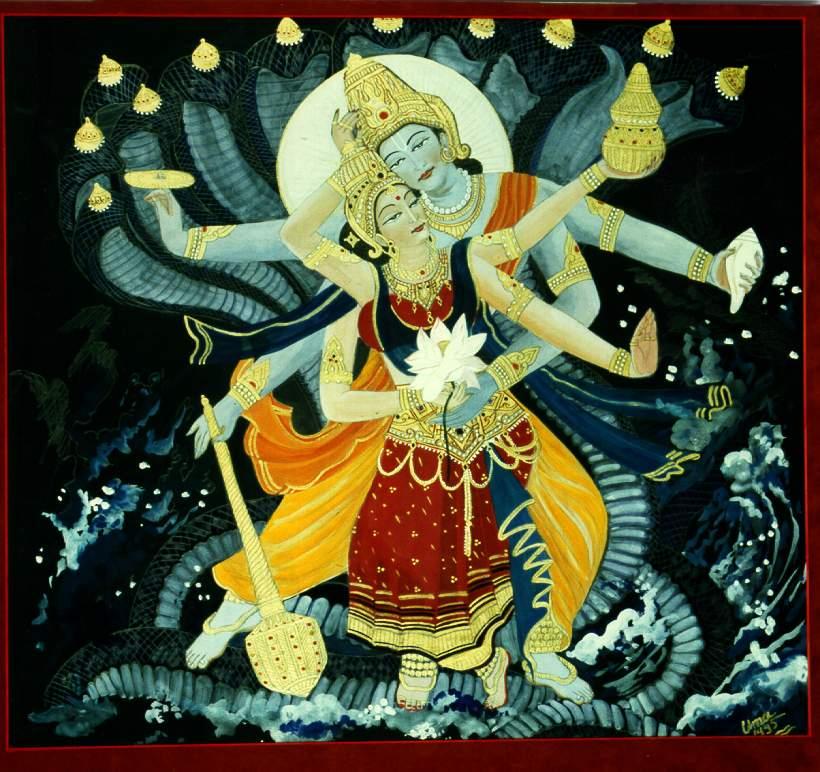
Lord Vishnu at Kancheepuram (Kacheeswarar Temple)


Lord Parasuramar (avatar of Vishnu) at Sreesailam, Karnataka and also at Chennai (Lord Parasurama at Lingeshwara Temple, Iyanavaram )


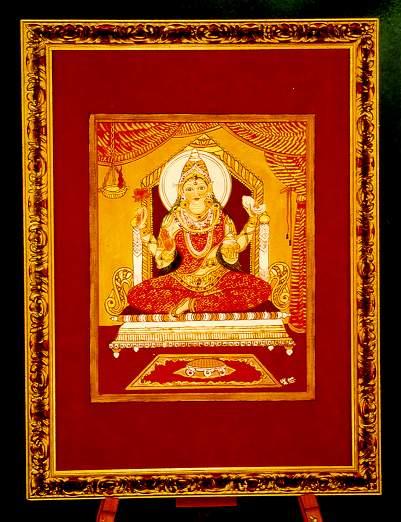
Goddess Lakshmi (wife of Vishnu) at Tirupachethi (50 km from Madurai).


Lord Sun at Srivilliputhur (Vaidhyanathaar Temple 100 km from Madurai)

Lord Brahma and Lord Vishnu at Tiruannamalai (250 km from Chennai)


Lord Raahu and Lord Kethu at Kaalahasthi (50 km from Tirupathi, AP, India)


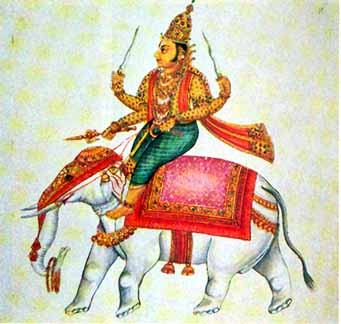
Lord Indra at Madurai (Soma Sundareeswar Temple)


The Rishi
Agastya at Papanasam (100 km from Tirunelveli, TN, India)


Goddess Parvati at Kancheepuram (Ekambeeswarar Temple, 60 km from Chennai, India)


Lord
Shani at Thirnallar (near Kaaraikal, Pondicherry)


Lord Moon at Thingalur (near Tanjore)


Lord Yama at Thirvidaimaruthoor (near Kumbakonam)


Lord Brahma at Kumbakoonam (Kumbeeswarar, near Tanjore)


(Images from various sources as listed in the image link section of the blog)

Sunday, January 01, 2006

Arambh


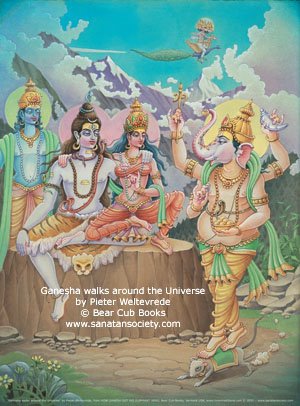
May the God of Beginnings, Ganesha shower new beginnings in this year

May the God of Victory, Kartikeya shower new victories in this year

May the Divine Mother, Parvati shower us with compassion and love this year

May the Divine Father, Shiva shower us with justice, sense and control this year

May the Divine Family grant all the prayers that are good and remove desires that are bad

"Om tryambakkam yajamahe sugandhim pustivardhanam urvarookameva bandanaan mrityormoksheeya maamritaat Om"

Wish you all a Very Happy New Year!

(Image from www.sanatansociety.org)

Saturday, December 10, 2005

Alochana

Symbolism is something Hindus have always loved.
It has penetrated our society unknowingly to a very deep level. We see it all around us but more often than not we question their roots.
Shaivism is an example where such symbolism is used widely, some meanings being often startling.
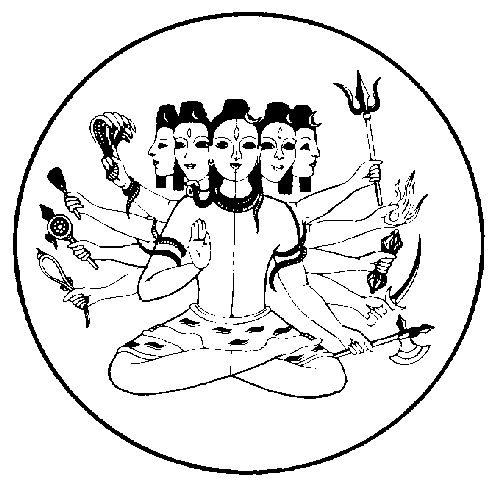
Lord Shiva represents the destructive aspect of Brahman. He is the all-pervading Ishwara. With Parvati. He becomes the Saguna Brahman for the purpose of pious devotion of his devotees. Lord Shiva is the Lord of ascetics and the Lord of yogins. He is robed in space, Digambara. His Trisul, Trident, that is held in His right hand, represents the three Gunas, Sat-Raj-Tam. That is the emblem of sovereignty. The Damaru in His left hand represents the Shabda Brahman. It represents OM from which all languages orginate. It is He who formed the Sanskrit language out of the Damaru beats. The crescent Moon indicates that He has controlled the mind perfectly. The flow of the Ganges, represents the nectar of immortality. The elephant represents, symbolically, Pride Siva's wearing the skin of an elephant denotes that He has controlled pride. The tiger represents lust; Shiva's sitting on, a tiger-skin indicates that. He has conquered lust. His wearing of serpents denotes wisdom and eternity. He is Trilochana, the three-eyed one, in the centre of Whose forehead is the third fire, the eye of wisdom.
The serpent is the Jiva or the individual soul which rests upon Shiva, the Paramatma or the supreme soul. The five hoods mean the five senses or the five Tattvas viz., earth, water, fire, air and ether. The five hoods or the five serpents represent the five Pranas, which hiss in the body like the serpent. The inhalation and exhalation are like the hissing of the serpent. The individual soul enjoys the worldly objects through these Tattvas. When the individual attains knowledge through control of these senses and mind, he finds his eternal resting abode in Lord Shiva, the supreme soul. This is the esoteric significance of Lord Shiva's wearing the snake on His body. Lord Shiva wears serpents as omaments on His body. This indicates that Lord Shiva is absolutely fearless and immortal. Generally serpents live for hundreds of years. Thus wearing of serpents by Lord Shiva signifies that He is eternal.
"Namah Sivaya" is the Mantra of Lord Shiva. Na represents earth and Brahma ; Ma represents water and Vishnu ; Si fire and rudra ; va represents vayu and Maheshwara ; ya Akasa and Sadasiva. Lord Shiva has white complexion. This signifies that people should have pure hearts. Lord Shiva has three white lines of Bhasma on His forehead. This unfolds that a man should destroy the three impurities viz ego, expectation of fruits and illusion and three desires. Nandi or the bull represents the attendant of Lord Shiva.
He is the vehicle of Lord Shiva. He represents satsang. There is a famous saying, "If you have association with sages you are sure to attain God realization. Sages will guide you. They will remove the snares that lie on your path. There is no other safe boat than satsang to take one to the other shore, of fearlessness and immortality, Lord Shiva represents the destructive aspect of the Godhead. He is seen absorbed in meditation on the mountain peak of the Kailash. He is an embodiment of serenity, renunciation and indifference to the world. The deer represents the Vedas, its four legs are the four Vedas, Lord Shiva is holding the deer in His hand. This indicates that he is Lord of the Vedas. He has a sword in one of His hands. This signifies that He is the destroyer of births and deaths. The fire in one of His hands shows that He protects the Jivas by burning all that binds.
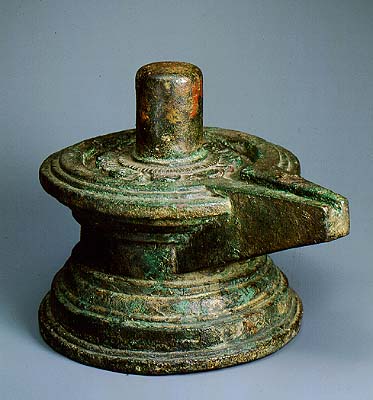
Shiva Linga is also a symbol. The literal meaning of the word Linga is "visible sign of something invisible". This Shiva Linga is of an ellipsoid shape. Linga denotes something, which has neither any beginning nor an end. It is unlimited and never-ending. The Shiv Linga is the symbol of Shiva in the act of creation. Here is a hyman on the greatness of Shiva There is no God better than Shiva, there is no hymn better than the hymn on the greatness of Shiva, there is no sacred word better than the name of Shiva.

Now let us relate to something more modern. My friend Ani (Mr. Aniruddha Gupta) pointed out that he had seen many buildings in Bengal having this particular mark on them.


I replied saying- " This is a Shiva-Shakti mark. The three lines represent the 3 gunas - Satwick, Rajasik and Tamasik or could represent the 3 worlds. The circle represents the representation of the Motherly "teep" (bindi). How could you forget that Banga was a matrikendrik samaj?"
Please find my reasoning based on the following facts:
Tilak (meaning by Swami Shivananda, Divine Life Society, Rishikesh) :
Tilak is a mark of auspiciousness. It is put on the forehead with sandal paste, sacred ashes or kumkum (red tumeric). The devotees of Siva apply sacred ashes (Bhasma) on the forehead, the devotees of Vishnu apply sandal paste (Chandan), and the worshippers of Devi or Shakti apply Kumkum, a red tumeric powder.
The scriptures say: "A forehead without a Tilak, a woman without a husband, a Mantra the meaning of which is not known while doing Japa (recitation), the head that does not bend before holy personages, a heart without mercy, a house without a well, a village without a temple, a country without a river, a society without a leader, wealth that is not given away in charity, a preceptor without a disciple, a country without justice, a king without an able minister, a woman not obedient to her husband, a well without water, a flower without smell, a soul devoid of holiness, a field without rains, an intellect without clearness, a disciple who does not consider his preceptor as a form of God, a body devoid of health, a custom (Achar) without purity, austerity devoid of fellow-feeling, speech in which truth is not the basis, a country without good people, work without wages, Sannyasa without renunciation, legs that have not performed pilgrimages, determination unaided by Viveka or discrimination, a knife which is blunt, a cow that does not give milk, a spear without a point- all these are worthy of condemnation. They exist for name’s sake only."
From this you can imagine the importance of Tilak or the sacred mark.
Tilak is applied at the Ajna Chakra, the space between the two eyebrows. It has a very cooling effect. Application of sandal paste has great medicinal value, apart from the spiritual influence. Application of sandal paste will nullify the heating effect when you concentrate and meditate at the Bhrumadhya. Tilak indicates the point at which the spiritual eye opens. Lord Siva has a third eye at the Brumadhya. When he opens the third eye, the three worlds are destroyed.
So also, when the third eye of the Jiva is opened, the three kinds of afflictions – Adhyatmika, Adhidaivika and Adhibhautika- are burnt to ashes. The three Karmas- Sanchita, Prarabdha and Agami,- and also all the sins committed in the countless previous births, are burnt. When you apply the Tilak, you mentally imagine: "I am the one non-dual Brahman free from all duality. May my eye of intuition open soon." You should remember this every time you apply a Tilak.
There are various methods of applying Tilak. Saivas apply three horizontal lines with the sacred ashes. The vaishnavas apply three vertical lines (Tripundra) on the forehead. When they apply Tilak, they say: "O Lord, protect me from the evil effects of the Trigunatmika Maya which has Sattwa, Rajas and Tamas as its binding cords." Some Vaishnavas apply only one vertical line. Only the method of application differs, but the significance is the same in both the Vaishnavas and the Saivas.


If we strictly talk about Hinduism, there is absolutely NO mention of Shiva-Shakti symbol or mark in any of 18 Puranas (leave the Vedas because Shiva doesn’t fashion there). However, there has always been “The Shiva Trinayana”. This is the same very mark on Devi Durga and Devi Kali too (even in the website reference given by my dear anonymous friend). Bengalis may know this very well. However, the 3 horizontal lines donot feature there.
However, the Trinayana did not feature on the buildings. Any ideas why?
The reason is simple-no one would want the third eye of destruction/re-creation to be on their homes. There is often a misconception still prevalent in Bengal that the statue of Nataraja would bring destruction and thus Bengalis are reluctant to keep it in their homes. How could such peace loving people imbed the Maha-Rudra "trinetra" on their homes?
The mark under discussion is completely Indian attempt to feminize the Trinayana. The third eye being replaced by the Circle, representing "Motherly" Shakti at the backdrop of Adi Guru Shiva Shambhu.
After all Bengalis have named Shiva as "jamai" meaning that Devi Durga is the daughter of Bengal and thus the mark in most Bengali old houses.

Thursday, December 08, 2005

Archana


The Story Of King Chitrabhanu

In the Shanti Parva of the Mahabharata, Bhishma, while resting on the bed of arrows and discoursing on Dharma, refers to the observance of Maha Shivaratri by King Chitrabhanu. The story goes as follows:Once upon a time King Chitrabhanu of the Ikshvaku dynasty, who ruled over the whole of Jambudvipa, was observing a fast with his wife, it being the day of Maha Shivaratri. The sage Ashtavakra came on a visit to the court of the king.

The sage asked the king the purpose of his observing the fast. King Chitrabhanu explained that he had the gift of remembering the incidents of his previous birth. The king said to the sage that in his previous life he was a hunter in Varanasi and his name was Suswara. His only livelihood was to kill and sell birds and animals. One day while roaming through forests in search of animals he was overtaken by the darkness of night. Unable to return home, he climbed a tree for shelter. It happened to be a Bael tree. He had shot a deer that day but had no time to take it home. So he bundled it up and tied it to a branch on the tree. As hunger and thirst tormented him, he was kept awake throughout the night. He shed profuse tears when he thought of his poor wife and children who were starving and anxiously waiting for his return. To pass away the time that night he engaged himself in plucking the Bael leaves and dropping them down onto the ground.

The next day he returned home and sold the deer and then bought some food for himself and his family. The moment he was about to break his fast a stranger came to him, begging for food. He served the food first to stranger and then had his own.

At the time of his death, he saw two messengers of Lord Shiva. They were sent down to conduct his soul to the abode of Lord Shiva. He learnt then for the first time of the great merit he had earned by the unconscious worship of Lord Shiva during the night of Shivaratri. The messengers told him that there was a Lingam at the bottom of the tree. The leaves he dropped fell on the Lingam. His tears, which had shed out of pure sorrow for his family, fell onto the Lingam and washed it and he had fasted all day and all night. Thus, he unconsciously worshiped the Lord.
At the conclusion of the tale the King said that he lived in the abode of the Lord and enjoyed divine bliss for long ages and now he has reborn as Chitrabhanu.

Tuesday, December 06, 2005

Aashish


Om Namah Shivay

There are several Shiva panchakshari stotras composed by various saints. This panchakshari stotra, composed by Sri Adi Shankaracharya, is based on the moolamantra of Lord Shiva "Namashivaya". Each stanza starts with one of the five syllables, na, ma, shi, va, and ya.

Nagendraharaya Trilochanaya
Bhasmangaragaya Maheshvaraya
Nityaya Shuddhaya Digambaraya
Tasmai Nakaraya Namah Shivaya .. 1

Salutations to Shiva, who wears the king of snakes as a garland, the three-eyed god, whose body is smeared with ashes, the great lord, the eternal and pure one, who wears the directions as his garment, and who is represented by the syllable ``na ''

Mandakini salila chandana charchitaya
Nandishvara pramathanatha Maheshvaraya
Mandarapushpa bahupushhpa supujitaya
Tasmai Makaraya Namah Shivaya .. 2

I bow to Shiva, who has been worshipped with water from the Ganga (Mandakini) and anointed with sandalwood paste, the lord of Nandi, the lord of the host of goblins and ghosts, the great lord, who is worshiped with Mandara and many other kinds of flowers, and who is represented by the syllable ``ma. ''

Shivaya Gauri vadanabjavrunda
Suryaya Dakshadhvara Nashakaya
Shrinilakanthaya Vrushhadhvajaya
Tasmai Shikaraya Namah Shivaya .. 3

Salutations to shiva, who is all-auspiciousness, who is the sun that causes the lotus face of Gauri (Parvati) to blossom, who is the destroyer of the yajna of Daksha, whose throat is blue (Nilakantha), whose flag bears the emblem of the bull, and who is represented by the syllable ``shi. ''

Vasishhtha kumbhodbhava gautamarya
Munindra devarchita shekharaya .
Chandrarkavaishvanara lochanaya
Tasmai Vakaraya Namah Shivaya .. 4

Vasishhtha, Agastya, Gautama, and other venerable sages, and Indra and other gods have worshipped the head of (Shiva's linga). I bow to that Shiva whose three eyes are the moon, sun and fire, and who is represented by the syllable ``va. ''

Yakshasvarupaya Jatadharaya
Pinakahastaya Sanatanaya
Divyaya Devaya Digambaraya
Tasmai Yakaraya Namah Shivaya .. 5

salutations to Shiva, who bears the form of a Yaksha, who has matted hair on his head, who bears the Pinaka bow in his hand, the primeval lord, the brilliant god, who is digambara (naked), and who is represented by the syllable ``ya. ''

Phalastuti
Panchaksharamidam Punyam Yah Pathechchhivasannidhau.
Shivalokamavapnoti Shivena Saha Modate.

Anyone who recites this sacred five-syllable mantra, (Namah Shivaya) near the Shiva (linga), attains the abode of Shiva and rejoices there with Shiva.


As I post this article, some thoughts cross my mind.

The cycle of Creation, Preservation and Destruction is eternal. The so-called portfolios are thus attributed to the Trinity-Brahma, Vishnu and Shiva.

Brahma due the unfortunate curse from Narada, his son is not worshipped per say leaving space for a great controversy in the supremacy between Vishnu and Shiva.

Vishnu, Narayana is the preserver. He is called upon when ever there is imbalance of power between God and Evil, Evil being dominant.
He is the only one who takes avataar per say. (Although Rudravatars are also there but they are more a manifestation of Shiva than Shiva Himself incarnating).
However, putting it simply, He is the Preserver of the World and we all agree on that.

Brahma Dev is the creator, The "Vidhata" as we know but ironically not worshipped by Hindus. The only temple in India (will be incorrect to say the world) attributed to Him is in Pushkar, Gujrat.
His role ends after creation apart from giving some really arrogant boons to some not-so-good creatures.
So, creation is His responsiblity or to put in some other words, he is the guy who puts the process of creation in place, sets the ball rolling.
Now some thoughts that crossed my mind tonight.
Creation, Preservation and Destruction is eternal and cyclic. Everyone agrees to this. That means we could say that creation is not perfect since it creates imbalance between good and evil. If such imbalance was not there, preservation would have been unnecessary. However, the process of preservation is also imperfect because if preservation would have been perfect there would have been no need of destruction. Hmm...however, destruction is perfect because it is inevitable fact and the only stage which will re-begin the cycle.
Don't believe me- see History for your self. Dinosaurs were created, could not preserved and were destroyed and then we have Humans.
Well, so is there any scope of doubt now on the subject of supermacy of instincts, if not Godhood?
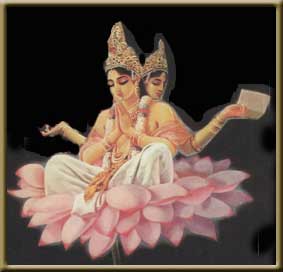
Moreover, Narayana is asleep on Sheshnag (unless he takes an avataar). Brahma is seated on the lotus unless he ocasionally speaks to give boons. Well, isn't Shiva the only one who does a bit of activity by doing tandava-motion is a vital part of life, don't you agree? :)
(Images from here and here)

Sunday, November 27, 2005

Aaradhana


I completed my Solah Somvar Vrat on last Monday and wanted to share the tale that lulled me into this vrat.
I am conducting Rudrabhsihek and Shiv Puja tomorrow for the completion of this vrat. All my friends in Chicago are welcome to join me.
Jai Shiv Shanbhu!
The beautiful Solah Somvar Vrat Katha
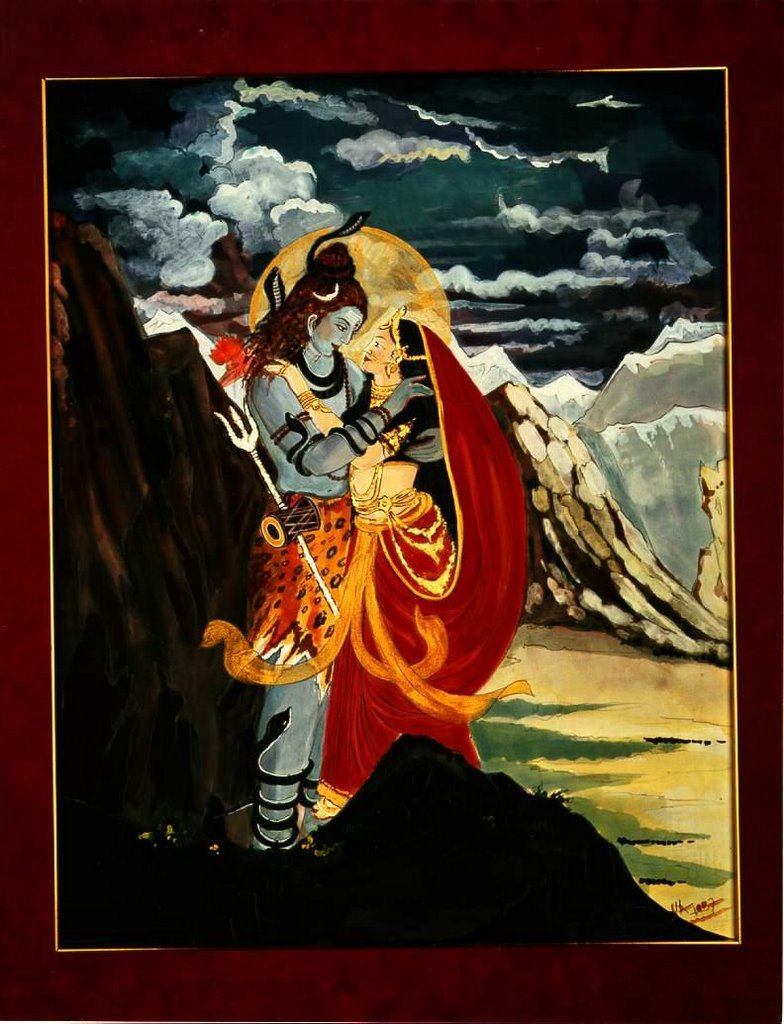
Once Lord Shiva visited the famous city of Amravati. Parvati also accompanied him. On their way, they saw a beautiful Shiva temple and decided to spend some time there. One day, Parvati found Lord Shiva in a playful mood.
She said to him, Oh my Lord, let us have a dice game. Lord Shiva obliged her and the game started. Meanwhile, the priest of the temple had come there. Parvati turned towards him and said Please foretell who will win this game? The Brahman gave no serious thought to her question and abruptly said, Lord Shiva will win the game. Incidentally Parvati won the game. She was angry because the Brahman had told a lie. Lord Shiva tried to pacify her, but she cursed the Brahman that he be a leper. In due course, the Brahman became a leper and spent a miserable life.
After some time a few fairies descended on the earth and pitied the fate of the priest. On asking him, the priest narrated the whole episode. One of the fairies said, You observe Monday fasts for sixteen weeks without break.
On the seventeenth Monday, prepare some holy food or Prasaad with flour mixed with ghee and gur. Distribute this prasaad among the members of your family and take some yourself. You will be free from this leprosy. The fairies disappeared and the priest followed the instructions. Soon, he regained his normal health.
Once Lord Shiva and Parvati again visited that temple. Parvati was surprised to see the priest. He was his normal self. She enquired about this feat and the priest narrated the whole story. Parvati was happy, she also decided to observe Monday fasts for sixteen weeks.
Incidentally, on the seventeenth Monday, when she broke her fast, her beloved son Kartikeya, who was displeased with her, appeared and said, 0 dear mother what is that power with which you have called me? What is the mystery? Parvati said, 0 my dear son, all this miracle is due to observing Monday fasts for sixteen weeks without interruption. Kartikeyas Brahman friend had been in a foreign land for quite some time.
Kartikeya said, I shall observe Monday fasts for sixteen weeks for happy reunion with my friend. He observed the 16 weeks fasts as per rules and to his great surprise his friend returned hale and hearty. The friend enquired about the miracle and Kartikeya told him the modalities to be observed for Monday fast.
The Brahman friend was very curious about his marriage. He decided to observe the Monday fasts for sixteen weeks. On the seventeenth Monday, the Brahman friend went to a city. The ruler of the city decided to marry his daughter to a person on whose neck his well-decorated elephant would put the garland. The Brahman joined the show.
Incidentally, the elephant garlanded him. The ruler of the city gave him his daughter and also a lot of money. The couple departed the next day and were back in their home. On the honeymoon night, the bride said, 0 my dear, how is it that the elephant ignored all the princes and garlanded you? How did you succeed on the auspicious moments?
The bridegroom said, I observed fasts on sixteen Mondays. Monday is Lord Shivas day. It is due to his blessings that I got a beautiful wife like you. My friend Kartikeya revealed this secret to me. The bride too decided to observe fasts on sixteen Mondays for a beautiful son full of knowledge. Her devotion bore fruit and she gave birth to a beautiful son. As the son grew up, he said to his mother, 0 my dear mother, what is the mystery behind my birth? Please reveal it to me. The mother told him how she observed Monday fasts.
The son also decided to observe the fasts to gain a kingdom for his parents. Incidentally, an old kings messengers from a nearby State came there in search of a beautiful and learned bridegroom for the princess. They proposed the princess hand for him and he readily agreed. The king expired after sometime and the boy became the king. The newly-made king continued his fasts for the next sixteen Mondays.
On the seventeenth Monday, he arranged a large prayer party at a temple. All the arrangements were made well in advance. The king requested the queen to accompany him to the temple for breaking the fast after taking prasaad from the priest. The queen refused to go with him.
The king had to go alone. The king heard an oracle who echoed, 0 king, turn out the queen from the palace or destruction will fall upon you. The king returned to his palace. He summoned a conference of his ministers and told about the oracle. All of them were taken aback, as it was due to that princess that he became the king of the state. They agreed to his proposal only with a heavy heart.
The queen was ultimately turned out. The queen left the palace bare footed and in worn-out clothes. She was thirsty and fatigued. She met an old lady who had a load of spinned spindles on her head. She was going to the city. She felt pity on her and asked to help her in selling the yarn because she did not know the art of selling. The queen took that load on her head. Incidentally, strong wind blew away the spindles which disappeared in the dusty wind. The queen felt sorry and the old lady asked her to go away. The queen went to an oilmans house and sought shelter. The oilman obliged her, but as she stepped in, all of his oil pots developed cracks and the oil began to flow on the ground. The oilman immediately turned her out. The queen was now disheartened. She went to the bank of a river to quench her thirst. As she touched the water, the water dried up. She then went to a deep jungle and saw a tank of water. As she went down the stairs and touched the crystal dear water, it became muddy. She cursed her fate and put a few drops of the muddy water in her mouth. She was now tired and wanted to take rest under a shady tree. As she went near the tree its leaves began to fall and soon it became leafless. The cowherds saw this incident and told the whole story to the priest of a nearby temple. The priest called for the woman.
He was surprised to see that the woman had royal features. He consoled her and provided her with all the facilities. But after some days, he also got fed up with her because whatever the woman touched became impure — may it be milk, food or water. One day, the priest said, 0 lady, what curse has fallen upon you? You reveal the mystery. The woman told him how she rejected a proposal to attend Monday fast prayer. The priest understood the whole thing.
He knew it was Shivas curse. He said, 0 dear lady, you observe fasts on sixteen Mondays and Lord Shiva will absolve you of your sins. The woman realised her mistake and observed the Monday fasts for sixteen Mondays. On the seventeenth Monday, the king said to himself, My queen left my palace long ago. Her condition must be very miserable. He called for his courtiers and ordered them to search out the queen. The courtiers reached the temple where the queen was residing. The priest refused to hand over the queen to them and said, Let the king himself come to receive her. The courtiers went to the king and related the whole story.
The king was happy to hear the news. He went to the temple and requested the priest to return his queen to him. The king admitted that he deserted the queen to avoid Lord Shivas wrath. The priest trusted the kings words and the queen returned to the palace. She was given a royal welcome. The king distributed money among the needy and arranged food for the hungry.
The king and queen now regularly observed fasts on sixteen Mondays each year and lived a very happy life. After their death they found abode in Lord Shivas city, Shivapuri. Since, then it is believed that a person who observes fasts on sixteen Mondays, gets all pleasures and enters Shivapuri after his death.
Friday, November 25, 2005

Aadieshwar


His name means The Auspicious One. He is Pure Consciousness, Chidanandaroopa - the form of joy that pure consciousness takes. He is the oldest god known to mankind, and more interestingly is perhaps the oldest living god, tracing a genealogy of worship that is easily five thousand years old. Naturally, therefore, he is described as the God with no lineage. Like Yahweh, who may be his only contemporary, his name was not to be taken in vain. In fact his name was not to be uttered at all. He is the howler, Rudra, when he first appears to us in the Rig Veda. He is Raudra Brahman, the wild God of the Hymns. He is also Nataraja, the elegant King of the Dance, and in fact of all the fine arts. He is the Lord of yoga, the culmination of the universe, the cause of its dissolution - yet always transcending such petty events.
To attempt an overview of Shiva in one essay is an act of extreme idiocy. I shall therefore seek to communicate some of the flavors that are associated with Shiva, trusting that time will be vouchsafed us to explore him in detail as we grow as a web-site. Shiva has been around for so long that entire encyclopedias on him are necessary to get just a bird's eye view. This god is perhaps the single most important influence on the arts and culture of the Indian subcontinent. In a very real sense, you find Shiva all over the country, he is in fact the country, so closely interwoven are the myths of his actions with the culture and geography of the land. So strong is Shiva's hold on the imagination that all local area gods which seek to gain in prestige, or are sought to be subverted to the main body of the Hindu religion, end up being described as various manifestations of Shiva. If the god lives on a hill, a forest or a cave then there is no way he escapes being but one more aspect of Mahadeva - the great god who loves to linger in hills, forests and caves. This is what has happened to Khandoba in Maharashtra, Skanda in Tamil Nadu and Ayyapan in Kerala to give the three most common examples. In fact another manner of accommodating these local religions was to decree the gods to be sons of Shiva.
The Rig Vedic Shiva was known as Rudra. He was a grim mysterious god, living on the fringes of Vedic society, a god who was so much of an outsider that he was not even entitled to a share in the fire sacrifices. Yet the Vedic pantheon was clearly in awe of this self sufficient Hunter-God. The hymns praise him in all-too-visible anxiety that his strange powers may be aroused, and his name as mentioned was never to be invoked. "We live in dread, and pray that you pass us by", quavers the Rig Vedic verse. Yet it immediately goes on to add that He is the Awakener, who when touched by pleas, grants a thousand kinds of balm that heal.
In a sense Rudra was too much a part of the Life-Force, too acutely felt to be just a god. Rudra punishes Prajapati for the first primordial act of incest and in a sense he is the defender of Dharma ever since. He is also a slayer of a brahmana, Prajapati, in the service of a higher morality, a fact that has caused much anguish to medieval commentators who were busy trying to show brahmanas were gods on earth as well as in heaven. Rudra-Shiva is thus always about living an authentic life, with utter disdain for convention.
This Vedic manifestation of Shiva was thought to be the earliest known(1500 B.C.) before he became the great God of later Hinduism. Then came the discovery of a few seals from the Harrapan civilization (2750 B.C.) and the picture changed completely. The seals show a figure who is so manifestly Shiva that it had to be acknowledged as such, even though it smashed the nice theory that was emerging of invading Aryans destroying the cities of the Indus valley. It is known as the proto-Shiva seal. However, for those who can read the signs and can decode the evidence, this figure is far more important.
He is surrounded by animals, which directly links him up with the Rudra-Pashupatinatha of the Vedas. The tiger, the elephant, and the bull depicted here, all play prominent parts in the Shiva mythology. Even more importantly he is shown in a typical yogic posture, which would indicate the knowledge of the ancient art.
This posture is the Udharva Linga posture (and not the ithyphallic posture as is so easily assumed) and it indicates the triumph over the sexual impulse.. The balls of the feet press into the sacral region behind and beneath the testicles as is shown. The lingam is erect and it presses into the navel, signifying the complete conquest of the sexual energy. He is now Udharva Retas, "he whose semen flows upwards". In the yogic system when you do not dissipate semen through ejaculation, it transforms itself into a food for the brain called ojas, vital energy, and is the source of the creative force that alone can provide you with the fuel to break through into enlightenment. This posture is commonly practiced even today and the udharva linga experience is not uncommon for many spiritual practitioners. Even the founder of Kriya yoga has left an account of precisely this linga entering the navel and the subsequent freedom from all thoughts and desire of lust.
Inevitably, Shiva the Conqueror of Lust and Desire is also known as the erotic ascetic! The Tantrik tradition uses the Shiva Energy very heavily and many of the texts of Tantra are lectures that Shiva gives to his spouse who may be Kali or Parvati, but actually is a representative of all the Divine Feminine energy in the world.
Shiva's sexuality inevitably brings us to the Shiva lingam, the supposedly sacred phallus. Contrary to popular perception, the Shiva lingam has a world of meaning attached to it and it is not just the obvious one of phallic symbolism. Most lingams are representations of Shiva who is never worshipped in the form of an image. Popular mythology holds that he was cursed so by an enraged rishi. The lingam is an abstract stand-in for the Howler who must never be named. The entire process is an elaborate avoidance of naming the dread name by substituting something else, which is also a creative and generative force.
Under Tantrik influence, the lingam placed in a yoni base - which means exactly what it sounds like - became a frank avowal of the ultimate origin of new life, it was fertility symbolism at its best. Educated Hindus tend to be over-apologetic about this aspect, though the average Hindu lives in a curious innocence about the nature of the Lingam. This was typically expressed in Gandhi's naïve confession that he had to read foreign authors before he realized that there might be anything sexual about the lingam.
According to Swami Vivekananda, not just the lingam but also the entire external image of Shiva is an elaborate symbolical construct. In his view, Shiva is a personification of the entire Vedic fire sacrifice. Thus the ash with which his body is smeared is the ash of the sacrifice. (Ash is also what's left when everything is destroyed and it does not decay. So too with god, what is left when everything is gone. Shiva covers himself with ash because he is the only life form in the Universe who is aware of this truth at every moment.) The white complexion of Shiva is indicative of the smoke of the sacrifice. The animals He is associated with indicate the animals tied to the sacrificial posts and so on. The Shiva linga, in Vivekananda's view is actually a feebly recalled Yupa Stambha, the Cosmic Pillar that is the center and support of the Universe, The Axis Mundi, in fact. This yupa stambha is always represented in all fire sacrifices and it is permanently installed in temples in the form of the linga.
If prayers could not be offered to images of Shiva, then the temples could be covered with depictions of scenes from his ancient life. So great was the Shiva factor in Indian art forms that it almost obscures the other gods. The temples and their sculptures run riot. Khajuraho, Ellora, Elephanta, Rameshwaram, the Chola temples, the Bhuvaneshwar and Madhya Pradesh temples, and the great dancing Shiva temple at Chidambaram, it's a universe drunk on the creative energy, fertile and fecund with originality and beauty that is not as well regarded as it should be, merely because there is too much of it. If there were only one such temple in India the world would have gone mad with appreciation. As such, you can actually overdose on beauty, the Beauty that is the transcendent state of the Truth that is Shiva, expressed in the famous formulation Satyam, Shivam, Sundaram.
The mythologies surrounding Shiva are immense. It must be remembered that the Shiva story has been going on for five thousand years now and they only too obviously reflect the concerns of people at the time they were being composed. Shiva Himself is a composite god today, involving many local area gods and little tradition mythologies into his all-embracing grasp. Shiva is more or less what you want Him to be, as in Him all contradictions casually coexist. The notion of Shiva as exclusively a Wild Man of the forests and mountains, traveling with a band of ghosts and ghouls as their leader, Bhoothnath, is a recent phase of his worship. For while He was always capable of peculiar behavior, Shiva used to live outside of society not because He had rejected it but because He had transcended it. Shiva is repeatedly described as the Supreme Master of all the Arts, and that indicates a highly socialized being, the Nagarika of ancient India, not a rustic.
To those who did not understand this aspect of the lord, to those who still had on their defensive shell of sophistication and cynicism, Shiva was Bholenath, the Simpleton God. Yet, traditionally India has regarded Shiva not as any of these roles but as Vishwanatha - the Lord of the Universe. That is why in all the old temples you find him represented as a king, decked out in lordly robes with crowns and jewels. This homeless-wanderer recent incarnation of Shiva was perhaps a reflection of a culture that had lost its moorings and was reeling under alien domination.
Yet even at this much reduced level, Shiva seems to appeal the most powerfully, of all the gods of India, to the collective unconscious. Since most Goddess worshipers also acknowledge Him as the divine spouse of the Goddess, Shiva may easily have the most devotes in sheer number alone. He is laughed at as an old man by devotees with the affection that comes only with comfort. Yet in some corner of the old limbic brain he lurks, Rudra-Shiva, the old god of India, the source of the songs of the Rig Veda.

"Of all who are born You are the greatest Of all the powers, you are the most compellingLustre itself becomes pale and outshone by you O Rudra!Protect us from the hordes of sins that assault us Stand between us and them Repel them with the thunderbolt of your arm O Rudra! Lead us to the other bank Let us cross with ease."

Monday, November 14, 2005

Anek Saivam Ekam Shivam

Saivism, also transliterated Shaivism and Saivism, is a branch of Hinduism that worships Siva as the Supreme God. Followers of Saivism are called Saivas or Saivites. Saivism is a monotheistic faith. Saivites believe that there is only one God, who simultaneously permeates all creation and exists beyond it, being both immanent and transcendent. The concept is in contrast with many semitic religious traditions, where God is seen as transcendent only. As all other Hindu denominations, Saivism acknowledges the existence of many lower Gods under the Supreme One. These Gods are encompassed by Him, seen as either as manifestations of the Supreme Being or as powerful entities who are permeated by Him, as is all Creation. This type of Monotheism is called Panentheism or Monistic Theism. Saivism is a very deep, devotional and mystical denomination of Hinduism. It is considered the oldest of the Hindu denominations, with a long lineage of sages and saints who have outlaid practices and paths aimed at self-realization and the ultimate goal of moksha, liberation. As a very broad religion, Saivism encompasses philosophical systems, devotional rituals, legends, mysticism and varied yogic practices. It has both monistic and dualistic traditions. Saivites believe God transcends form, and devotees often worship Siva in the form of a lingam, symbolizing all universe. God Siva is also revered in Saivism as the anthropomorphic manifestation of Siva Nataraja. Originated in India, Saivism has appeal all over India and is particularly strong among the Tamils of Southern India and Sri Lanka. Some traditions credit the spreading of Saivism into southern India by the great sage, Agastya, who is said to brought Vedic traditions as well as the Tamil language. There can be found almost innumerable Saivite temples and shrines, with many shrines accompanied as well by murtis dedicated to Ganesa, Lord of the Ganas, followers of Siva, and son of Siva and Sakti. The twelve Jyotirling, or "golden Iingam", shrines are among the most esteemed in Saivism. Benares is considered the holiest city of all Hindus and Saivites. A very revered Saivite temple is the ancient Chidambaram, in South India. One of the most famous hymns to Siva in the Vedas is Sri Rudram. The foremost Saivite Vedic Mantra is Aum Namah Sivaya. Major theological schools of Saivism include Kashmir Saivism, Saiva Siddhanta and Virasaivism. It is believed that the greatest author on the Saiva religion writing in Sanskrit was Abhinavagupta, from Srinagar, Kashmir, c. 1000 CE. Nayanars (or Nayanmars), saints from Southern India, were mostly responsible for development of Saivism in the Middle Ages. The presence of the different schools within Hinduism should not be viewed as a schism. On the contrary, there is no animosity between the schools. Instead there is a healthy cross-pollination of ideas and logical debate that serves to refine each school's understanding of Hinduism. It is not uncommon, or disallowed, for an individual to follow one school but take the point of view of another school for a certain issue.

Kashmir Shaivism is the philosophical school of consciousness that arose in Kashmir about 1200 years ago. The notion of Kashmir Shaivism originated in 1913 with the publication of J.C. Chatterji's text of the same name. Before that point the same thoughts would have been labeled Shaiva Monism, or the generic form Trika. Kashmir Shaivism is a tantric system with emphasis in areas which Navjivan Rastogi describes in his foreword for Dynamic Stillness by Swami Chetanananda, "The logical structure of Kashmir Shaivism may be said to be rooted in recognition (pratyabhijna); its ontic structure, in autonomy (svatantrya); its metaphysical structure, in the synthesis of Being and self-referential consciousness (prakasha-vimarsha); its process of spiritual practice (sadhana), in the refinement of the mental constructs (vikalpa-samskara); its yogic framework, in the awakening of the spiral energy (kundalini); and its empirical and epistemic transactions, in synthetic activity. Kashmir Shaivism reached its culmination in the philosophy of Abhinavagupta and Kshemaraja (tenth to eleventh century CE). Abhinavagupta's work on Kashmir Shaivism is unparalleled and can be seen in his classic texts Tantraalokaand Tantrasaara. Vijnaanabhairava Tantra is another important text which covers the 112 ways of understanding true God-consciousness it is written in the literary style of a conversation between Shiva and his consort Parvati. The majority of Abhinavagupta's works have not yet been translated into English, though substantial Italian and French translations exist. One of the leading North American scholars in this area is Paul E. Muller-Ortega in his text The Triadic Heart of Siva: Kaula Tantricism of Abhinavagupta in the Non-Dual Shaivism of Kashmir. Abhinavagupta writes from an esoteric internalized form of Tantra which places its emphasis on the role of insight into the true nature of reality and meditative mysticism. Kashmir Shaivism is a trika (three-fold) school. It argues for three categories, personified as goddesses: transcendental (paraa), immanent (aparaa), and intermediate (paraaparaa). These are saktis or powers of Siva, the divine consciousness. This school of Yoga philosophy argues for a connection and unity between everything in the universe. The attraction and connection between Siva and Sakti embodies the male and female attraction which creates the universe. One of the greatest modern gurus of Kashmir Shaivism was Swami Lakshmanjoo who passed on the tradition in his texts The Secret Supreme, Lectures on Practice and Discipline in Kashmir Shaivism and the collection of his oral teachings edited by John Hughes, Self Realization in Kashmir Shaivism. The most accomplished historical scholar of Kashmir Shaivism is Alexis Sanderson of All Souls College, Oxford, whose article Shaivism and the Tantric Traditions (1986) is probably the best place to start for those interested in an academic introduction to the topic.


Saiva Siddhanta is the oldest, most vigorous and extensively practiced Shaivaite Hindu school active today, encompassing millions of devotees, thousands of active temples and dozens of living monastic/ascetic traditions. Despite its popularity, Siddhanta’s past as an all-India denomination is relatively unknown and it is primarily identified with its South Indian, Tamil form. The term Saiva Siddhanta means “the final or established conclusions of Saivism.”
It is the formalized theology of the divine revelations contained in the twenty-eight Saiva Ågamas.
1 Gurus
2 Saints and Ascetics
3 Siddhas
4 Saiva Siddhanta Teachings
5 The Spread of Saiva Siddhanta
6 A New Siddhanta
7 A Dualistic Development
8 Saiva Siddhanta Today

Gurus
The first known guru of the Suddha, or “pure,” Saiva Siddhanta tradition was Maharishi Nandinatha of Kashmir (ca 250 BCE), recorded in Panini’s book of grammar as the teacher of Rishis Patanjali, Vyaghrapada and Vasishtha. The only surviving written work of Maharishi Nandinatha is the twenty-six Sanskrit verses, called the Nandikesvara Kasika, in which he carried forward the ancient teachings. Due to his monistic approach, Nandinatha is often considered by scholars as an exponent of the Advaita school. The next prominent guru on record is Rishi Tirumular, a Siddha in the line of Nandinatha who came from the Valley of Kashmir to South India to propound the sacred teachings of the twenty-eight Saiva Ågamas. In his work the Tirumantiram, "Sacred Incantation," Tirumular put the vast writings of the Ågamas and the Suddha Siddhanta philosophy into the Tamil language for the first time. Tirumular’s Suddha Saiva Siddhanta shares common distant roots with Mahasiddhayogi Gorakshanatha’s Siddha Siddhanta in that both are Natha teaching lineages. Tirumular’s lineage is known as the Nandinatha Sampradaya, while Gorakshanatha’s is called the Ådinatha Sampradaya.
Saints and Ascetics
Saiva Siddhanta flowered in South India as a forceful bhakti movement infused with insights on siddha yoga. During the seventh to ninth centuries, saints Sambandar, Appar and Sundarar pilgrimaged from temple to temple, singing soulfully of Shiva’s greatness. They were instrumental in successfully defending Shaivism against the threats of Buddhism and Jainism. Soon thereafter, a king’s Prime Minister, Manikkavasagar, renounced a world of wealth and fame to seek and serve God. His heart-melting verses, called Tiruvasagam, are full of visionary experience, divine love and urgent striving for Truth. The songs of these four saints are part of the compendium known as Tirumurai, which along with the Vedas and Saiva Ågamas form the scriptural basis of Saiva Siddhanta in Tamil Nadu.
Siddhas
Besides the saints, philosophers and ascetics, there were innumerable siddhas, “accomplished ones,” God-intoxicated men who roamed their way through the centuries as saints, gurus, inspired devotees or even despised outcasts. Saiva Siddhanta makes a special claim on them, but their presence and revelation cut across all schools, philosophies and lineages to keep the true spirit of Siva present on Earth. These siddhas provided the central source of power to spur the religion from age to age. The well-known names include Agastya, Bhogar, Tirumular and Gorakshanatha. They are revered by the Siddha Siddhantins, Kashmîr Saivites and even by the Nepalese branches of Buddhism.
Saiva Siddhanta Teachings
Rishi Tirumular, like his satguru, Maharishi Nandinatha, propounded a monistic theism in which Shiva is both material and efficient cause, immanent and transcendent. Shiva creates souls and world through emanation from Himself, ultimately reabsorbing them in His oceanic Being, as water flows into water, fire into fire, ether into ether. The Tirumantiram unfolds the way of Siddhanta as a progressive, four-fold path of charya, virtuous and moral living; kriya, temple worship; and yoga—internalized worship and union with Para Shiva through the grace of the living satguru—which leads to the state of jñana and liberation. After liberation, the soul body continues to evolve until it fully merges with God—jîva becomes Shiva. Affirming the monistic view of Saiva Siddhanta was Srikumara (ca 1056), stating in his commentary, Tatparyadîpika, on Bhoja Paramara’s works, that Pati, pasu and pasa are ultimately one, and that revelation declares that Shiva is one. He is the essence of everything. Srikumara maintained that Shiva is both the efficient and the material cause of the universe.
The Spread of Saiva Siddhanta
In Central India, Saiva Siddhanta of the Sanskrit tradition was first institutionalized by Guhavasi Siddha (ca 675). The third successor in his line, Rudrasambhu, also known as Amardaka Tirthanatha, founded the Åmardaka monastic order (ca 775) in Andhra Pradesh. From this time, three monastic orders arose that were instrumental in Saiva Siddhanta’s diffusion throughout India. Along with the Åmardaka order (which identified with one of Saivism’s holiest cities, Ujjain) were the Mattamayura Order, in the capital of the Chalukya dynasty, near the Punjab, and the Madhumateya order of Central India. Each of these developed numerous sub-orders, as the Siddhanta monastics, full of missionary spirit, used the influence of their royal patrons to propagate the teachings in neighboring kingdoms, particularly in South India. From Mattamayura, they established monasteries in the regions now in Maharashtra, Karnataka, Andhra and Kerala (ca 800). Of the many gurus and acharyas that followed, spreading Siddhanta through the whole of India, two siddhas, Sadyojyoti and Brihaspati of Central India (ca 850), are credited with the systematization of the theology in Sanskrit. Sadyojyoti, initiated by the Kashmir guru Ugrajyoti, propounded the Siddhanta philosophical views as found in the Raurava Ågama. He was succeeded by Ramakantha I, Srikantha, Narayanakantha and Ramakantha II, each of whom wrote numerous treatises on Saiva Siddhanta. Later, King Bhoja Paramara of Gujarat (ca 1018) condensed the massive body of Siddhanta scriptural texts that preceded him into a one concise metaphysical treatise called Tattvaprakasa, considered a foremost Sanskrit scripture on Saiva Siddhanta. Saiva Siddhanta was readily accepted wherever it spread in India and continued to blossom until the Islamic invasions, which virtually annihilated all traces of Siddhanta from North and Central India, limiting its open practice to the southern areas of the subcontinent.
A New Siddhanta
It was in the twelfth century that Aghorasiva took up the task of amalgamating the Sanskrit Siddhanta tradition of the North with the Southern, Tamil Siddhanta. As the head of a branch monastery of the Åmardaka Order in Chidambaram, Aghorasiva gave a unique slant to Saiva Siddhanta theology, paving the way for a new pluralistic school. In strongly refuting any monist interpretations of Siddhanta, Aghorasiva brought a dramatic change in the understanding of the Godhead by classifying the first five principles, or tattvas (Nada, Bindu, Sadasiva, Èsvara and Suddhavidya), into the category of pasa (bonds), stating they were effects of a cause and inherently unconscious substances. This was clearly a departure from the traditional teaching in which these five were part of the divine nature of God. Aghorasiva thus inaugurated a new Siddhanta, divergent from the original monistic Saiva Siddhanta of the Himalayas. Despite Aghorasiva’s pluralistic viewpoint of Siddhanta, he was successful in preserving the invaluable Sanskritic rituals of the ancient Ågamic tradition through his writings. To this day, Aghorasiva’s Siddhanta philosophy is followed by almost all of the hereditary Sivacharya temple priests, and his paddhati texts on the Ågamas have become the standard puja manuals. His Kriyakramadyotika is a vast work covering nearly all aspects of Saiva Siddhanta ritual, including dîksha, saµskaras, atmartha puja and installation of Deities.
A Dualistic Development
In the thirteenth century, another important development occurred in Saiva Siddhanta when Meykandar wrote the twelve-verse Sivajñanabodham. This and subsequent works by other writers laid the foundation of the Meykandar Sampradaya, which propounds a pluralistic realism wherein God, souls and world are coexistent and without beginning. Siva is efficient but not material cause. They view the soul’s merging in Siva as salt in water, an eternal oneness that is also twoness. This school’s literature has so dominated scholarship that Saiva Siddhanta is often erroneously identified as exclusively pluralistic. In truth, there are two interpretations, one monistic and another dualistic, of which the former is the original philosophical premise found in pre-Meykandar scriptures, including the Upanishads.
Saiva Siddhanta Today
Today Saiva Siddhanta has sixty million Tamil Saivites in South India and Sri Lanka. Prominent Siddhanta societies, temples and monasteries also exist in a number of other countries.


Virasaivism is a religious movement of Hinduism in India. The adherents are known as Veerashaivas, or more commonly Lingayats. This important sect of Hinduism represents a reform movement attributed to Basavanna in the 12th century. Basavanna lived and taught in what is now Karnataka State. Some believers believe that Basavanna is an incarnation of Nandi, Shiva's greatest devotee. Nandi serves Shiva perpetually as Garuda does for Vishnu.
Lingayats believe in a monotheistic world where Shiva is the supreme deity. They worship Shiva as a lingam. Additionally, Lingayats wear the lingam in a similar way as Christians wear the crucifix. Basavanna attempted to rid society of caste distinctions, although these can be found to a degree in modern Lingayats. Many of the reforms which Basavanna pushed for would be later adopted by Gandhi, Swami Vivekananda, and others. Also, the Lingayats favor gender equality and in fact, have women gurus.
However, unlike practically all Hindus, Lingayats reject the Vedas but rather focus more on the Hindu Agamas, specifically, the Shaivite Agamas. Some Lingayats view the Vedas to be polytheistic in nature while the Agamas are strictly monotheistic and devotional in nature.
The term Virasaiva is derived from vira (heroic), and saiva (worshipper of Siva). The term Lingayat is derived from the lingam, or the abstract symbol of Shiva in which God is worshipped without form.
Basavanna was a brahmin, he tried to bring social change in society by encouraging inter-caste marriages between untouchables and people of other castes, though he himself did not follow that and married a brahmin. The revolution he brought about helped people of many low castes and untouchables who eagerly became followers of basava to attain social status.